
Content
“The Cambodian Premier League is committed to keeping the environment a safe, sustainable, and protected place for everyone. Not only do we compete on the field, but we want to compete to be the best in taking care of the environment,
outside the fields."
“The project starts now, but it will impact the lives of many of
the future.''
Peter Koo, the General Manager of the Cambodian Premier League

Environmental sustainability initiatives aim to reduce the negative impact of human
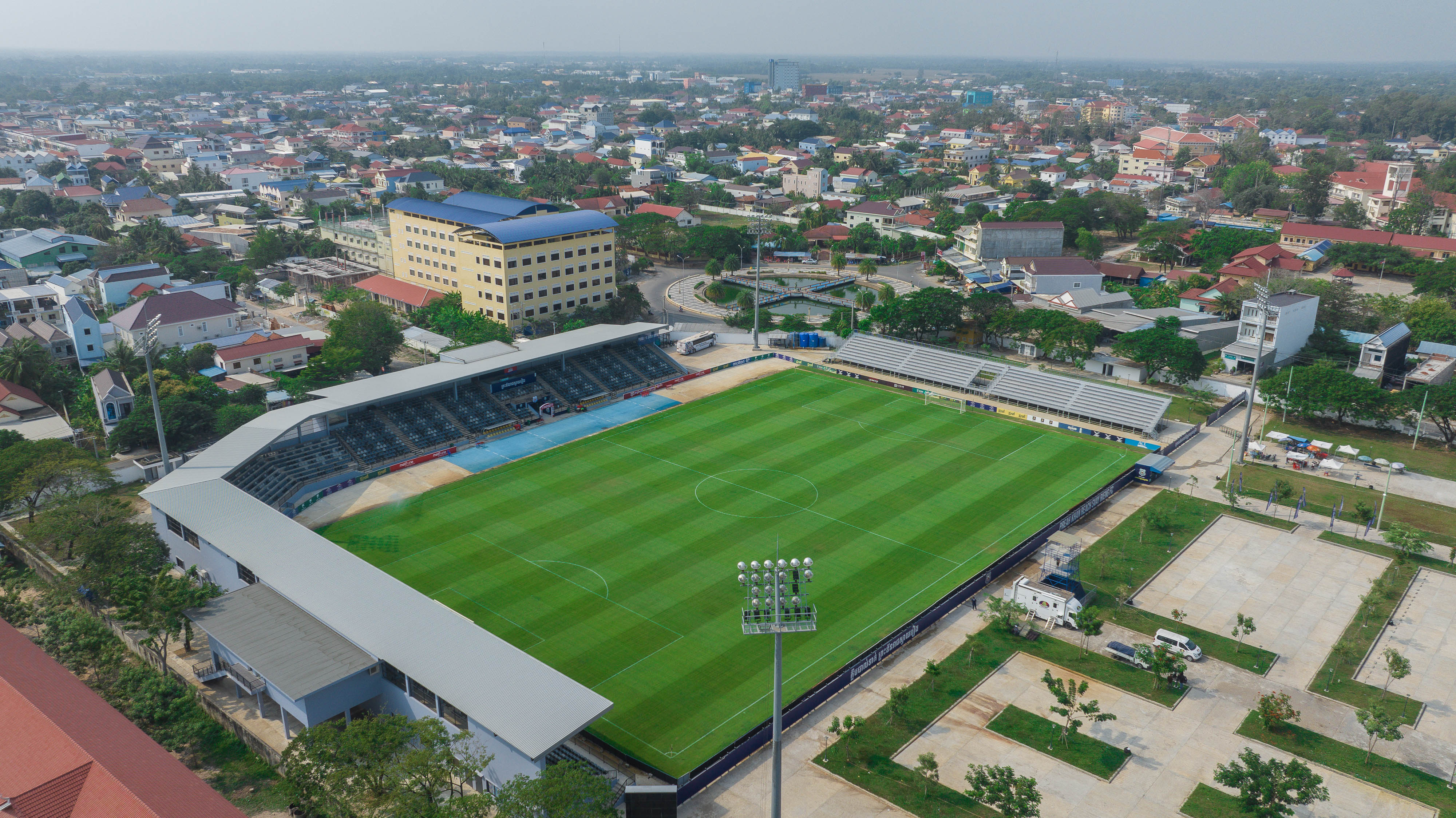
activities on the planet and promote practices that protect natural resources for future generations. These initiatives are essential in various sectors, including sports, education, business, and government. Here are strategies of the CPL to contribute to sustainability
1. Reducing Carbon Footprints
- Transportation: Encouraging public transportation, carpooling, and electric vehicles for travel to and from games or events.
- Energy-efficient Facilities: Sports stadiums and facilities are increasingly using energy-efficient lighting, water-saving technologies, and renewable energy sources (solar, wind) to reduce their carbon footprint.
Carbon Offsetting: Investing in projects that reduce or capture CO2 emissions, such as tree planting or renewable energy projects, to balance the carbon emissions produced.
2. Waste Management
- Recycling Programs: Football events can set up separate bins for recycling composting, and waste to ensure proper waste disposal.
- Zero-Waste Events: Organizing events that aim to reduce the amount of waste generated, such as using reusable or compostable materials, reducing single-use plastics, and encouraging fans to bring their reusable items like water bottles or cups.
- Food Waste Reduction: Encouraging food vendors to minimize food waste by reducing overproduction, and partnering with organizations to donate surplus food to those in need.
3. Water Conservation
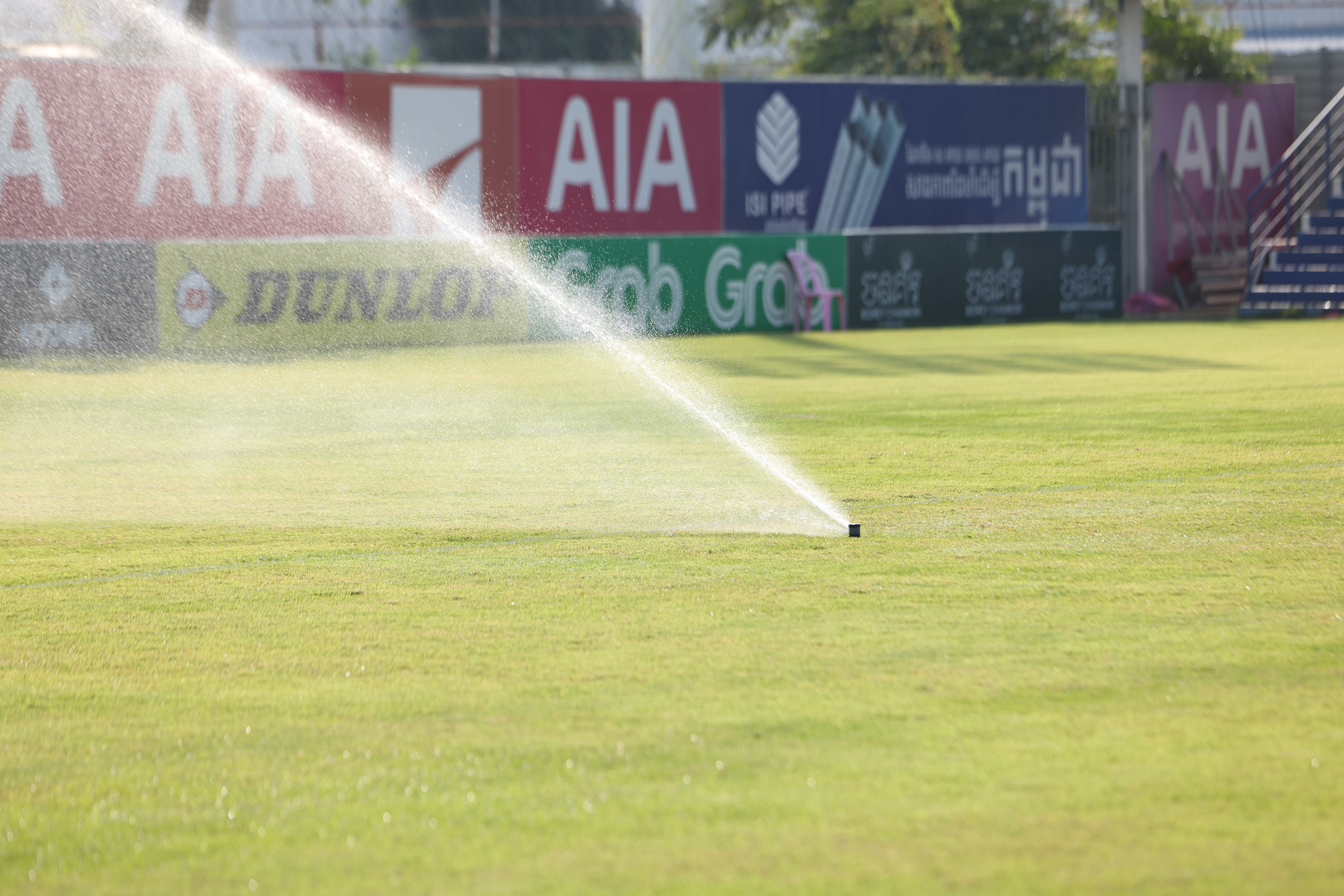
- Smart Irrigation: Using technologies that optimize water use in stadium grounds or facilities, such as rainwater harvesting systems and low-water plants for landscaping.
- Water-efficient Fixtures: Installing water-saving technologies in bathrooms and concession stands.
4. Sustainable Merchandise
- Eco-friendly Products: Promoting and selling merchandise made from sustainable materials, such as organic cotton, recycled plastic, or bamboo.
- Supply Chain Transparency: Ensuring that merchandise is produced under ethical conditions and with minimal environmental impact, such as sourcing from sustainable manufacturers or suppliers.
5. Education and Community Outreach
- Awareness Campaigns: Organizing campaigns and activities during games or events to educate fans about environmental issues, such as climate change, conservation, and sustainability.
- Partnerships with Environmental Organizations: Collaborating with environmental NGOs and local groups to support larger community-based sustainability projects, such as beach clean-ups, reforestation efforts, or wildlife protection.

6. Sustainable Sports Equipment
- Eco-friendly Materials: Promoting the use of sustainable materials in sports gear (e.g., biodegradable soccer balls, bats made from sustainable wood).
- Recycling and Upcycling: Creating programs for recycling used sports equipment or repurposing old materials into new products.
7. Green Certification and Standards
- Sustainability Certifications: Obtaining third-party certifications (e.g., LEED certification for buildings or Green Sports Alliance membership) that verify the environmental impact of sports facilities and events.
- Sustainable Practices Guidelines: Developing and following a set or standards or best practices for reducing environmental impact, and publicly reporting on sustainability goals and progress.

Action Plan:
The Cambodian Premier League Cares have the strategic plans to promote, educate, and organize the initiative to keep the environment of Cambodia safe.
- Promoting sustainable transport to matches and events (e.g., offering incentives for carpooling or using public transport).
- Reducing the use of single-use plastics at stadiums, encouraging fans to bring reusable bottles or cups that are in accordance to the safety regulation of the stadiums.
- Organizing community clean-up events, possibly in collaboration with local environmental groups.
- Educating fans and players about sustainability issues through public service announcements or matchday campaigns.
- Setting goals for reducing waste and energy consumption at league games or tournaments.
These actions could contribute to broader national and global sustainability goals while also raising awareness about environmental challenges.